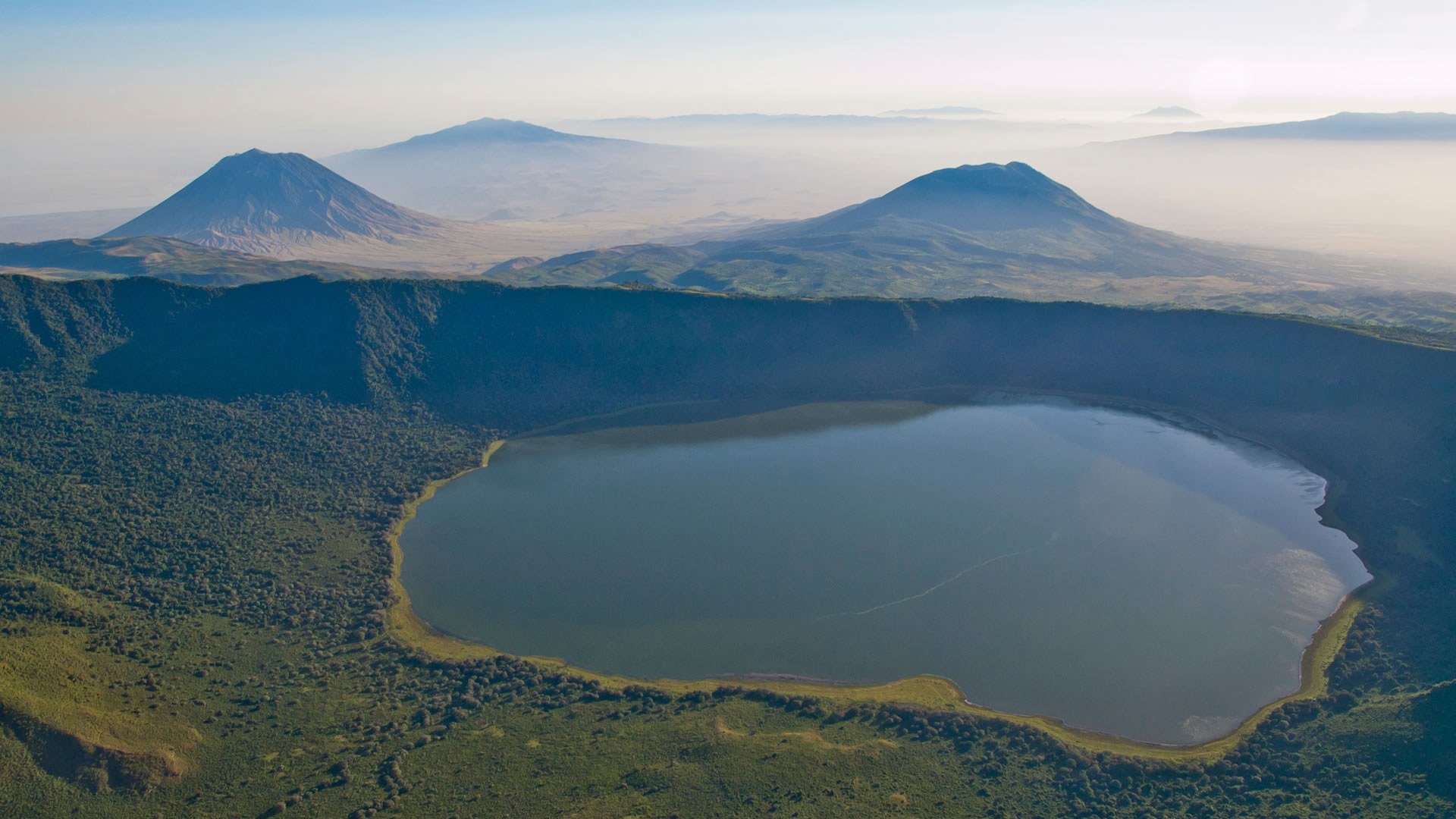
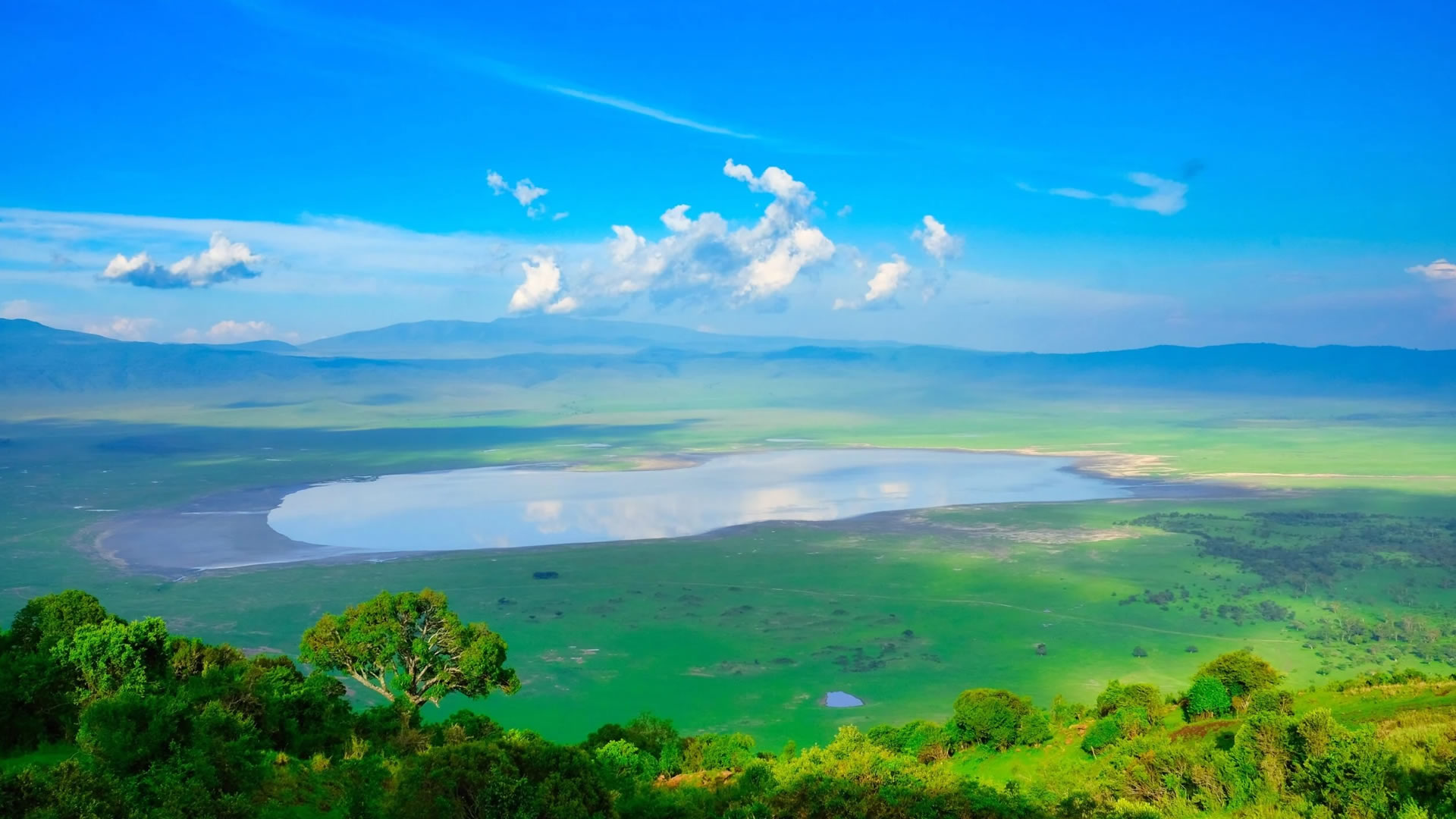
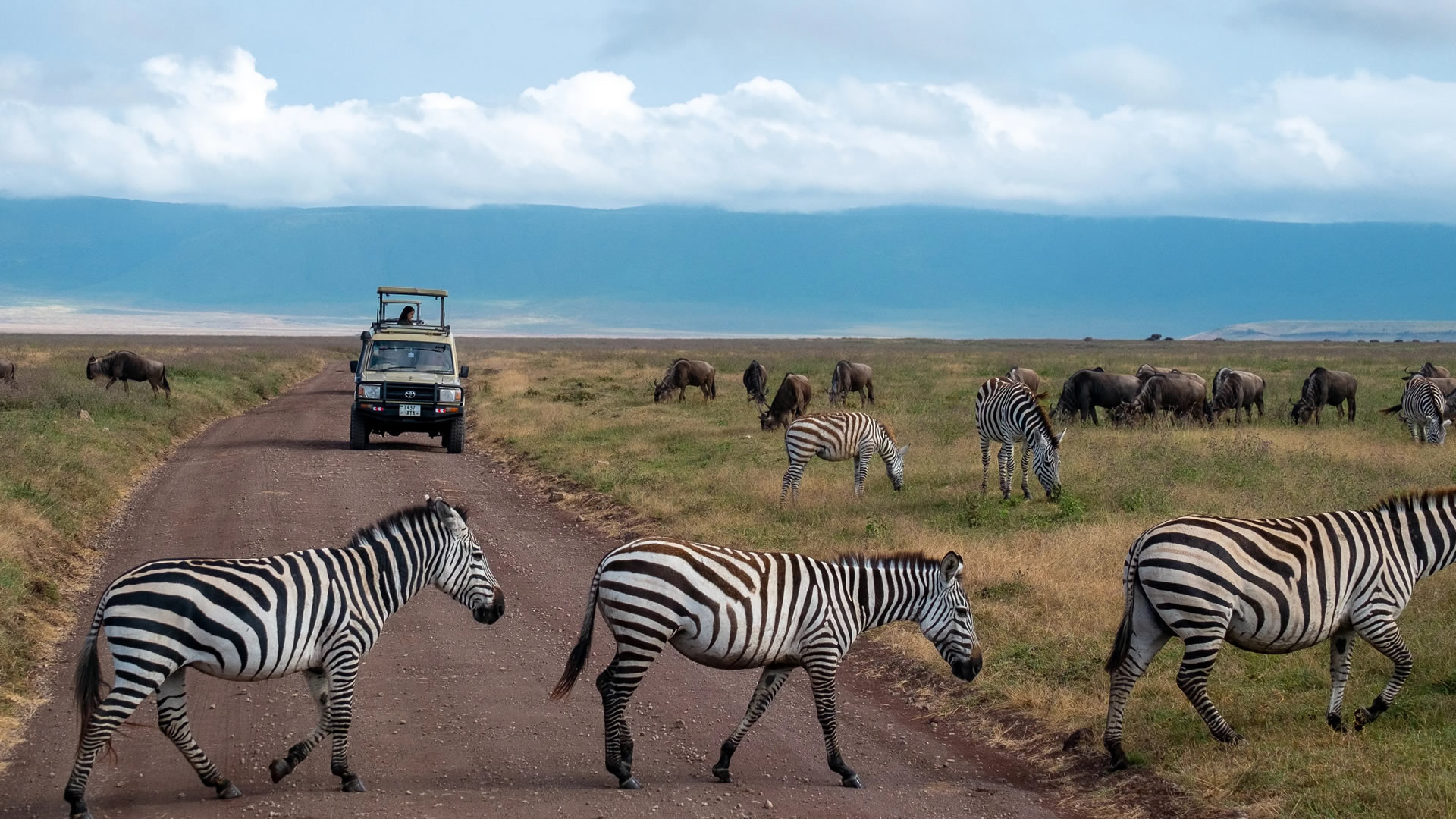
A visit to the Ngorongoro Crater is an experience of a lifetime. There are few places that have wildlife densities and variety on this level. It is not unusual to see the Big Five in one day – and all this in the most amazing setting with a backdrop of the 600m/1,968ft-high crater wall. Ngorongoro Crater is a large and unbroken volcanic caldera. It is one of the most spectacular safari destinations in Africa, with incredible scenery and game viewing. The crater is 610m deep and the floor is 260km squared. Ngorongoro Crater was created as a result of an imploded volcano, establishing a unique caldera that stretches 20km in diameter, is home to its very own eco-system and is teeming with indigenous wildlife. Located right near the famous Serengeti National Park, it is ideally located for visitors to explore the variety of plant and animal life living within the crater walls. This is one of the most magnificent tourist destinations in Africa unparalleled in its distinguished scenic beauty, wildlife and atmosphere. The Ngorongoro Conservation Area (NCA) is an area situated 180km west of Arusha in the Crater Highlands region of Tanzania.
Prev
Next
Ngorongoro Conservation Area
Wildlife Experience
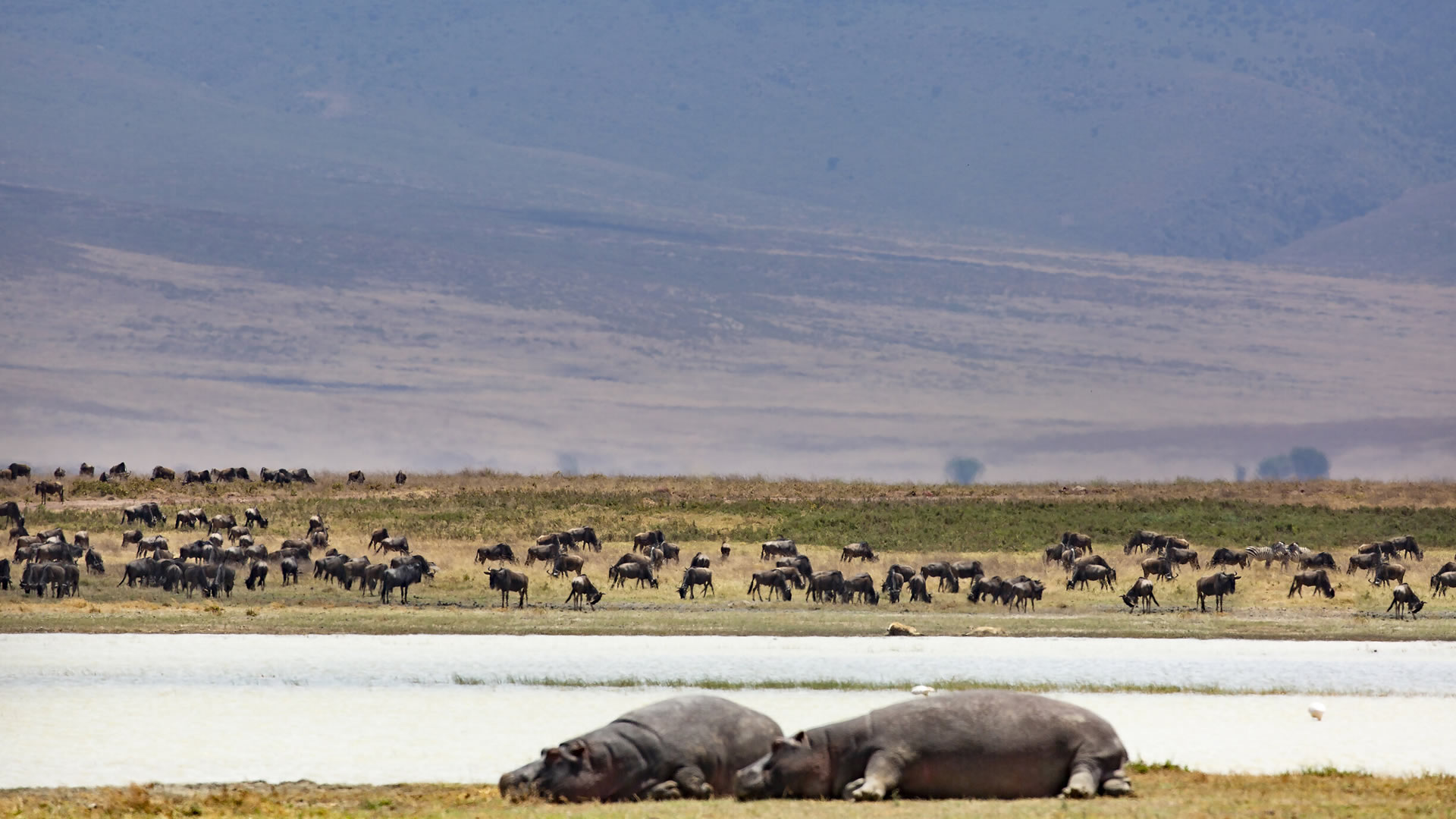
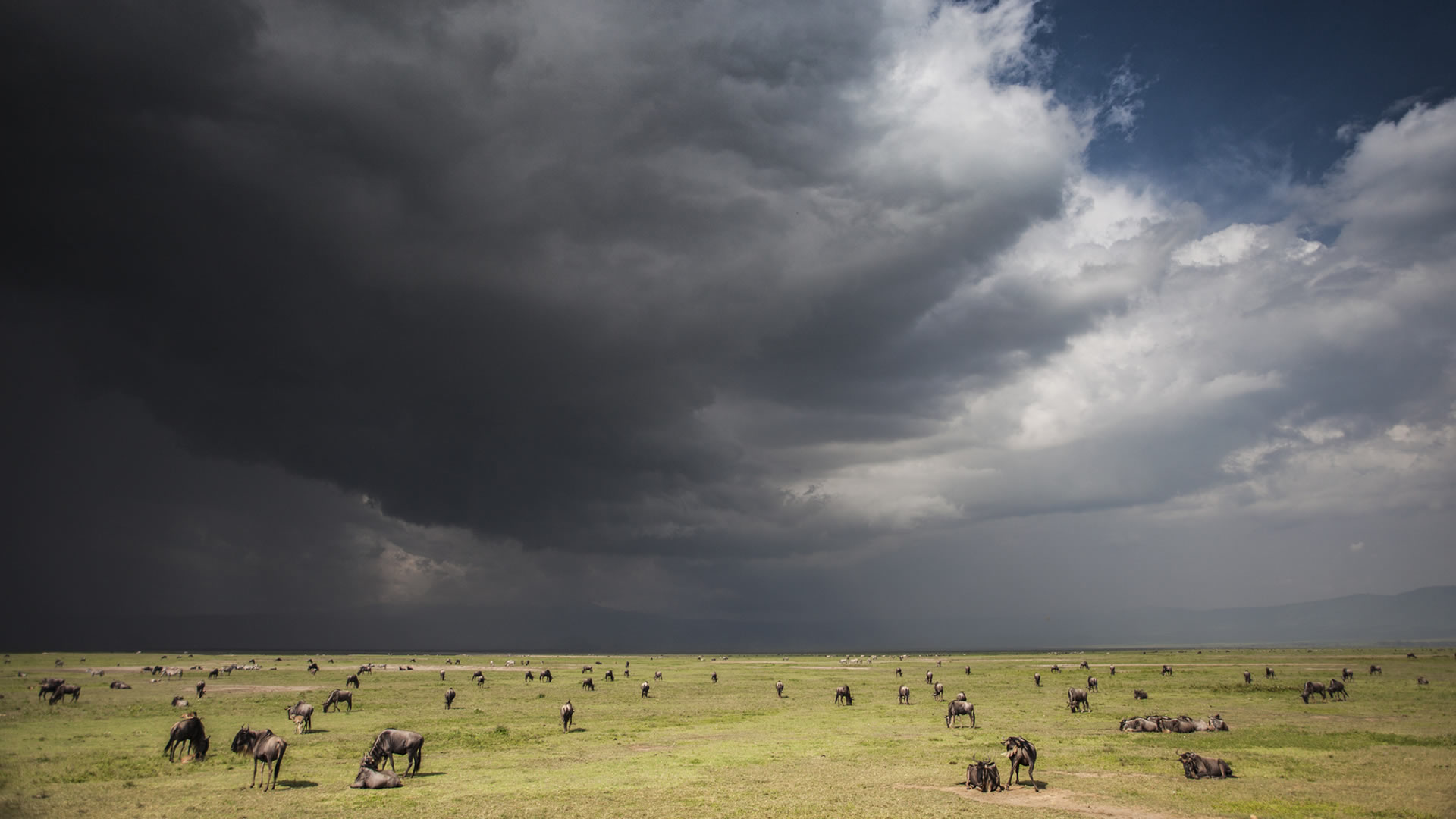
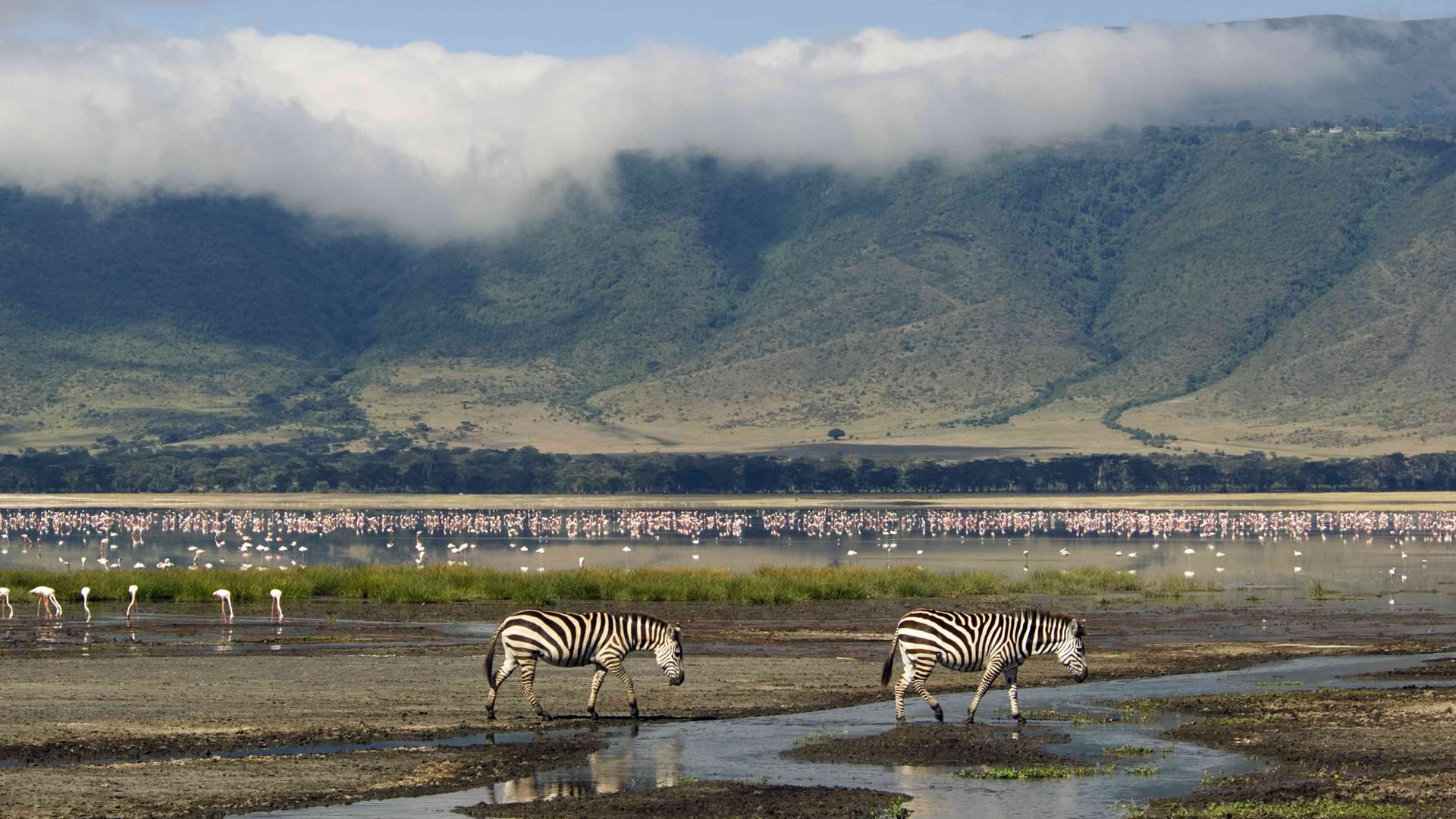
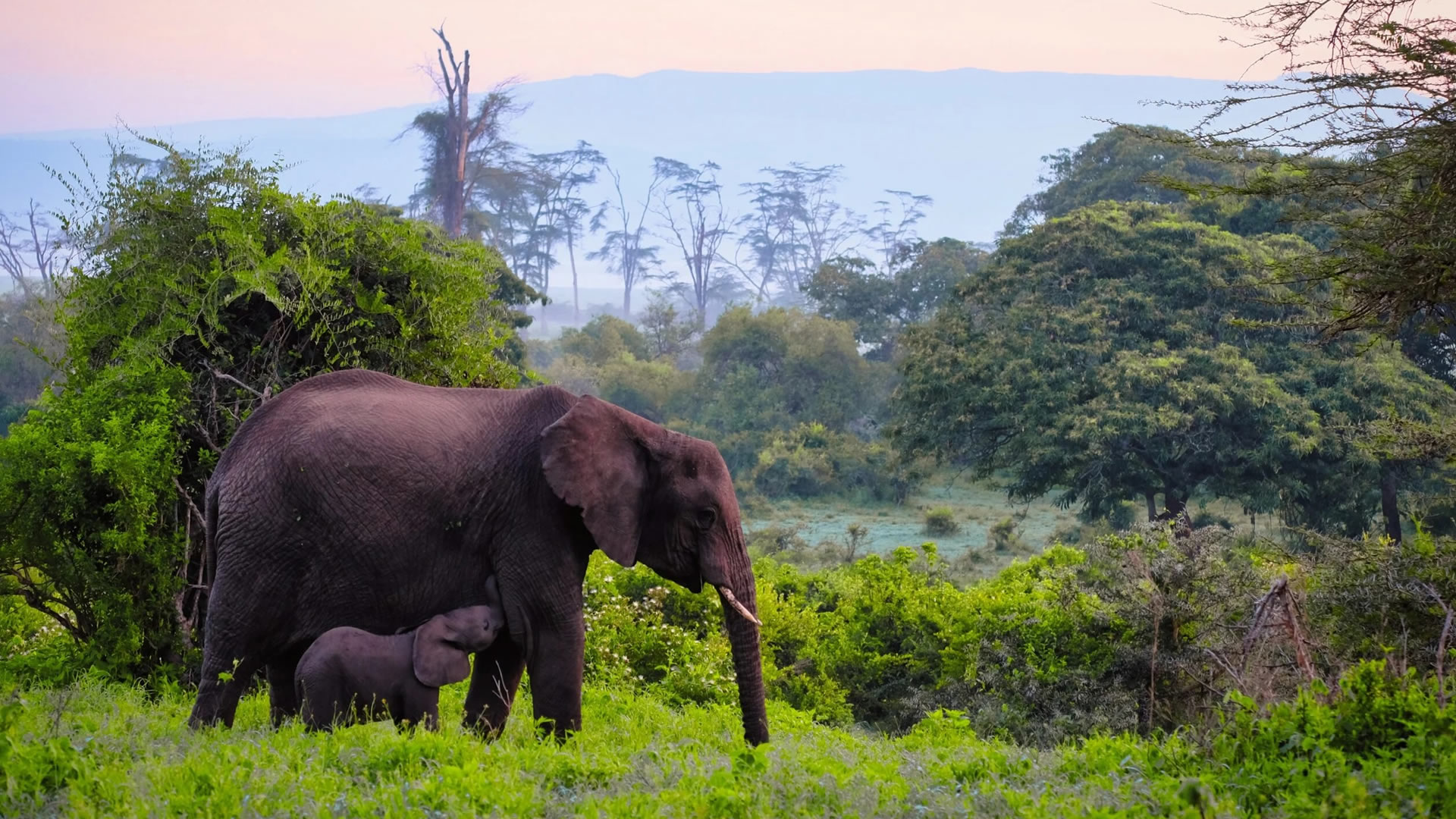
A population of about 25,000 large animals, including the highest density of mammalian predators in Africa, lives in the crater. These include black rhinoceros, hippopotamus which are usually very uncommon in the area. There are also wildebeest, zebra, eland, Grants and Thomson's gazelles. The crater has the densest known population of lion. On the crater rim are leopard, elephant, mountain reedbuck and buffalo. Lake Magadi, filled by the Munge River in the centre of the crater is, like many in the rift valley, a soda lake supporting flocks of flamingo and a variety of other water birds. More than a 100 species of bird not found in the Serengeti have been found in the crater including; ostriches, kori bustards, secretary birds, and crowned cranes as well as vultures, egrets, herons and geese. Half-day game drives are conducted on the Crater floor, but there are no lodges located down there in order to preserve the wilderness and to keep it a pristine game viewing area.
Locate the Ngorongoro Conservation Area
Ngorongoro Conservation Area | Birdlife
Both the Ngorongoro highlands and the crater offer excellent birding, with over 500 species recorded. Birdlife in the highland forest is rich and interesting. Among the birds to be seen are white-eyed slaty flycatcher and Livingstone turaco. A number of specialized grassland birds are resident in the crater. Most noticeable are ostrich, kori bustard, crowned crane and the secretary bird. Migratory birds are present from November to April. Although birdlife is generally good throughout the year, from November to April migratory birds from Europe and northern Africa are present, and many resident birds are in breeding plumage. This makes it the best time for bird watching. The best time to watch wildlife is during the Dry season, which is June to October.
Why Travel with Grand Africa Experiences
“Our guiding principles as Grand Africa Experiences is to work with each client, family and group in an individual way. We encourage you to work with us, discussing your interests, style of travel, budget, time frame and any other factors that would influence your trip – to come up with an itinerary best suited to you, your family or group. We always strive to offer the best value for your money.”
Responsible TravelWildlife Conservation and Community Support efforts
Custom TravelCustom itineraries designed to suit your travel preferences
Great SavingsBest bargains from local suppliers while maintaining quality service!
24Hrs Response TimeOur safari experts respond to all your requests within 24 hours